

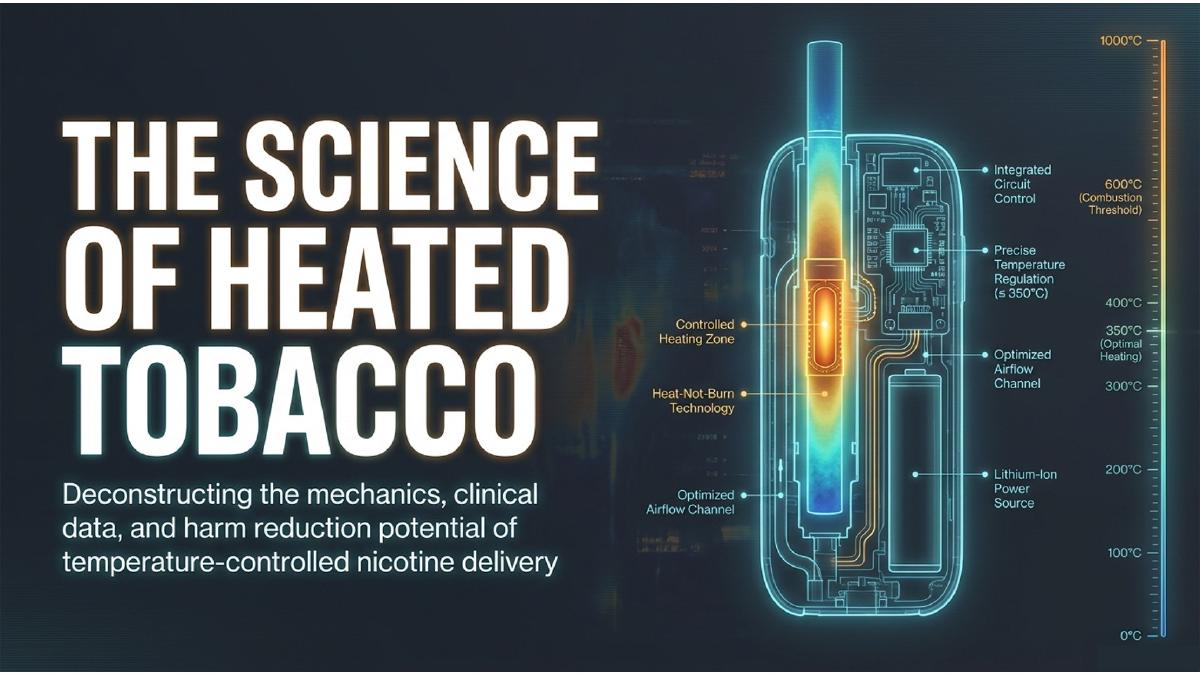

Heated Tobacco Products (HTPs) are electronically controlled devices that heat a tobacco rod to produce visible aerosol. Their commercial presence expanded rapidly after launching in Italy and Japan in 2014, and in Greece in 2016. Advanced electronic technology enabled the development of these products.
Why Traditional Cigarette Modifications Failed?#
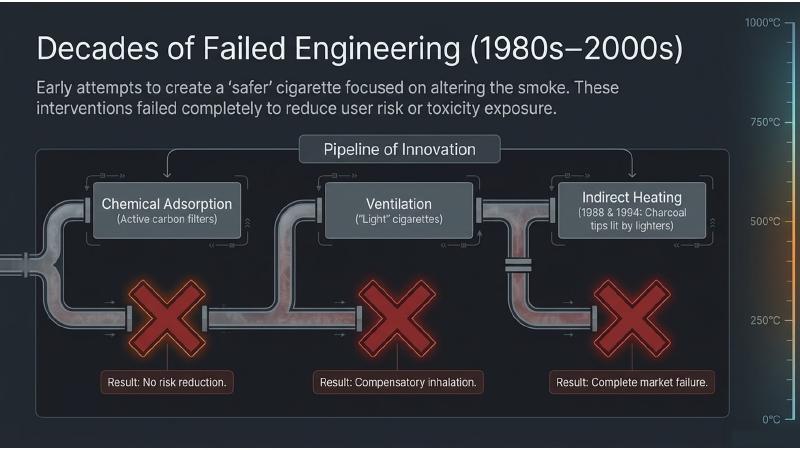
HTP development was driven by the historical failure of traditional cigarette modifications to reduce smoking-related health risks. Innovations like cigarette filters, “light” cigarettes, and absorbent substances such as activated charcoal in filters didn’t lower actual smoking harm. The only viable path to a significantly less harmful tobacco product was to bypass combustion (burning) entirely—the primary chemical process generating the vast majority of toxic and carcinogenic chemicals in traditional cigarette smoke.
How Do They Work?#
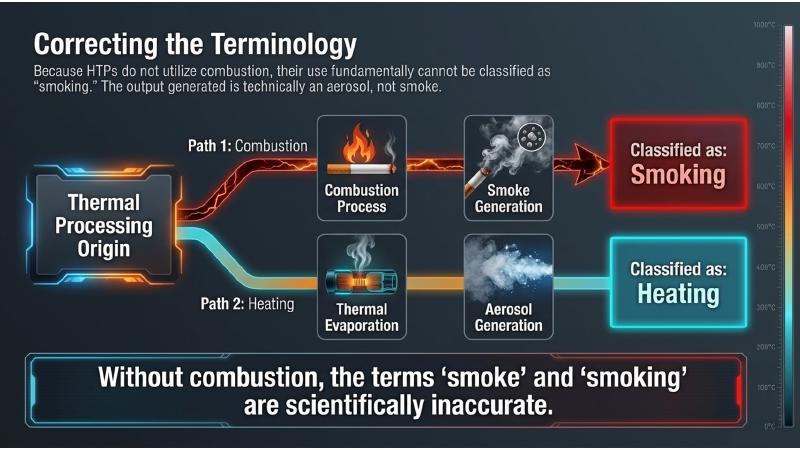
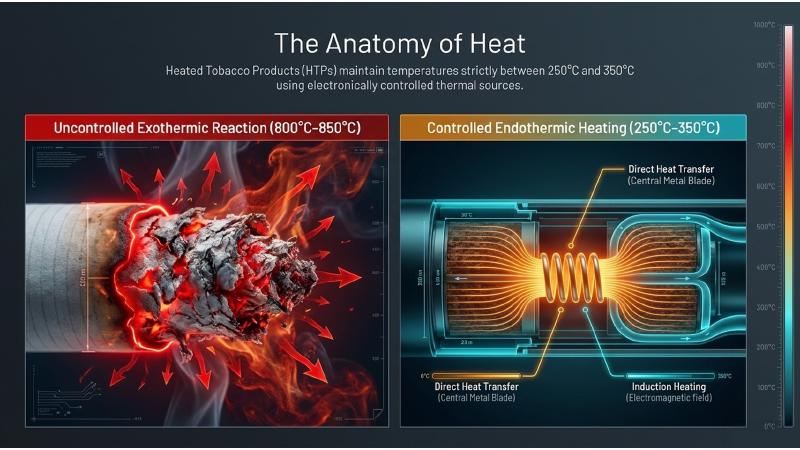
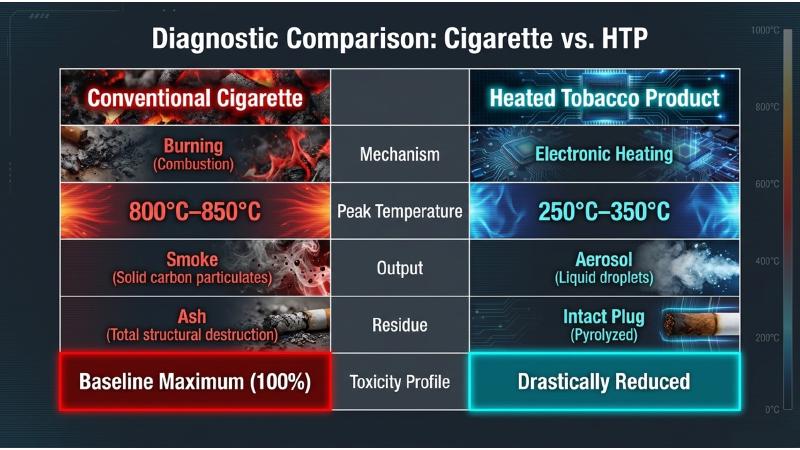
The core principle of HTPs is electronic temperature control to prevent tobacco combustion. A traditional cigarette’s burning tip reaches 800–850°C. HTPs heat tobacco to 250–350°C instead. This precise heating uses two main mechanisms depending on the device: a metallic heating blade inserted into the tobacco plug for direct heat transfer, or electromagnetic induction heating. Although combustion is avoided, some pyrolysis (thermal decomposition) still occurs, visible in the tobacco plug’s physical changes after use.
Is there Scientific and Clinical Evidence?#
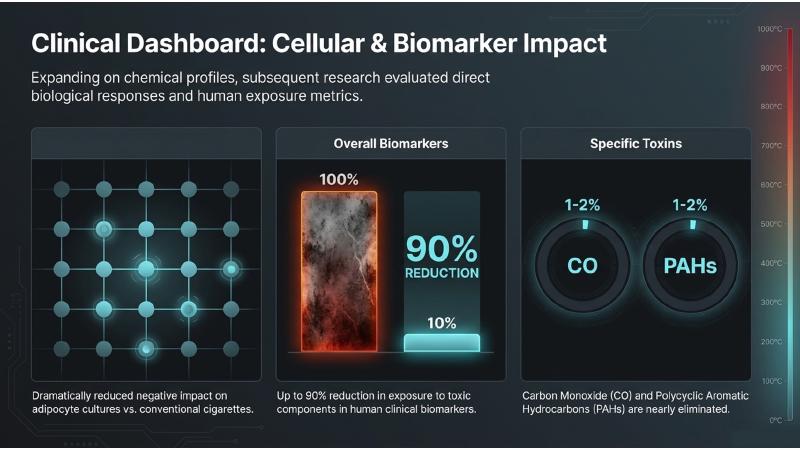
Independent research supports HTPs’ harm-reduction potential versus combustible cigarettes, mainly by showing significantly reduced toxin exposure. For example, toxic aldehyde emissions from HTPs were 85–95% lower than conventional cigarettes. Reduced cellular adverse effects versus traditional cigarette smoke have also been observed. Clinical studies measuring biomarkers of exposure in human smokers show up to 90% reduction in toxic-substance exposure. Combustion byproducts, including carbon monoxide and polycyclic aromatic hydrocarbons, are almost entirely absent from HTP aerosol. But we still don’t have enough evidence on long-term clinical endpoints.
Public Health Implications and Limitations#
While HTPs aren’t completely safe and still expose users to some toxic substances, the dramatic chemical difference compared to smoking justifies classifying them as Tobacco Harm Reduction products. The primary scientific limitation remains the lack of long-term epidemiological data in humans to fully quantify long-term health impact.